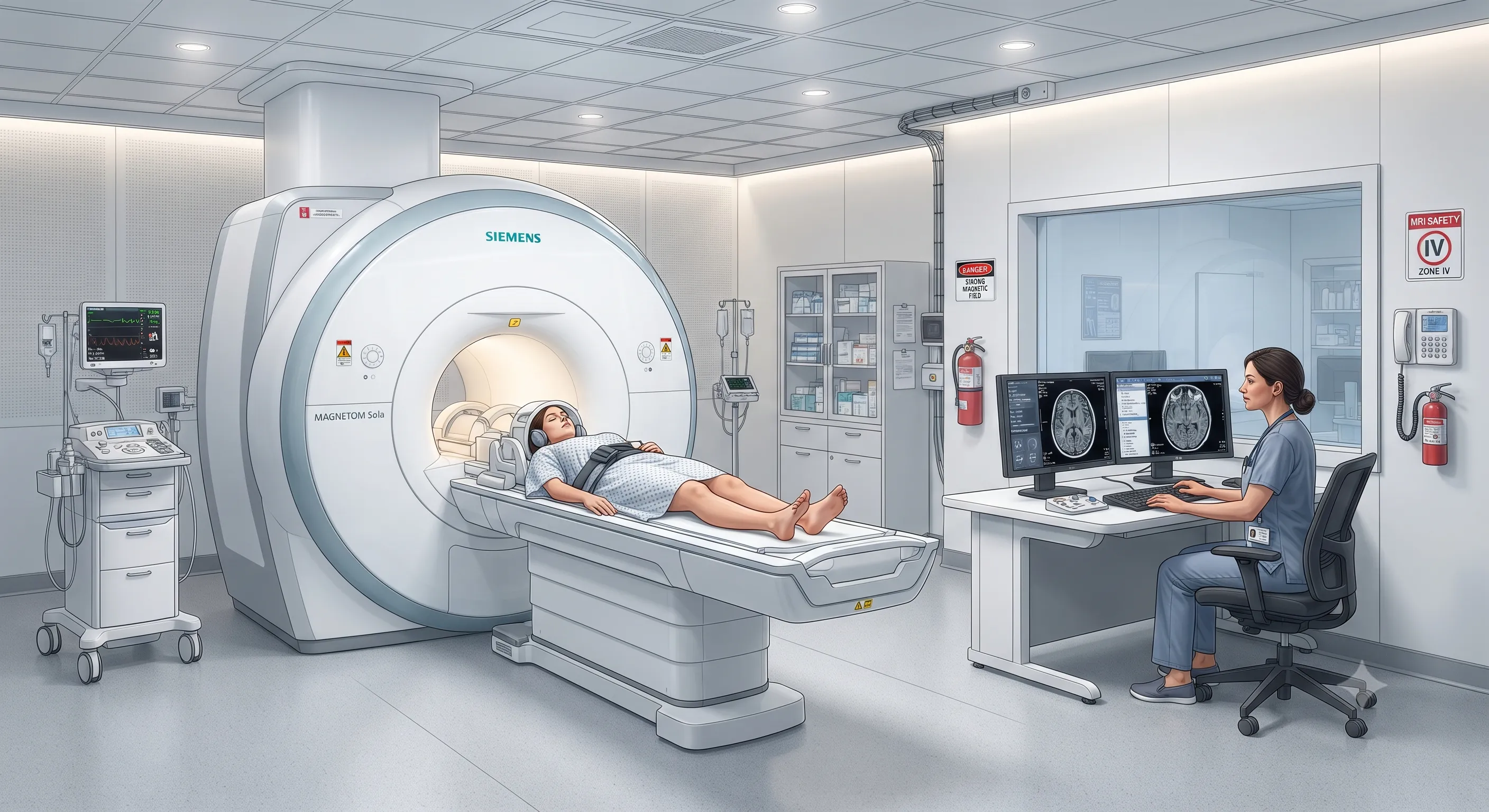
An MRI scan is one of the most advanced imaging techniques used to examine different parts of the body in detail. Unlike X-rays and CT scans, MRI uses a strong magnetic field and radio waves to create detailed images of organs, tissues, joints, and other internal structures.
If your doctor has recommended an MRI Scan in Nashik, knowing what to expect can make the experience more comfortable and less stressful. From preparation and safety checks to the scanning process and results, understanding the procedure can help you feel prepared.
What Is an MRI Scan?
Magnetic Resonance Imaging, commonly known as MRI, is a non-invasive diagnostic imaging procedure. It produces detailed images that can help doctors evaluate conditions affecting the brain, spine, joints, muscles, abdomen, pelvis, and other parts of the body.
Depending on your symptoms and your doctor's recommendation, different types of MRI examinations may be performed. These can include brain MRI, spine MRI, knee MRI, shoulder MRI, abdominal MRI, and other specialized scans.
Why Might Your Doctor Recommend an MRI?
MRI can provide detailed information about soft tissues that may not always be clearly visible through other imaging methods. Doctors may recommend an MRI to investigate persistent pain, injuries, neurological symptoms, joint problems, or other suspected conditions.
The scan can also be useful for monitoring an already diagnosed condition or evaluating how a patient is responding to treatment.
It is important to remember that an MRI should be performed based on medical advice and the specific clinical requirement of the patient.
How Should You Prepare for an MRI?
Preparation depends on the type of MRI being performed. Some examinations require no special preparation, while others may involve specific instructions.
Before your appointment, inform the diagnostic centre about any medical implants, devices, or metal objects in your body. You should also tell the staff if you have had previous surgeries or have any concerns about enclosed spaces.
If contrast material is required for your examination, the centre may provide additional instructions. Follow the preparation guidelines given by your doctor or diagnostic centre carefully.
What Happens During the Scan?
Before the scan begins, you may be asked to remove metal objects such as jewellery, watches, hair accessories, or other items that may interfere with the magnetic field.
You will usually lie on a movable examination table. The table then moves into the MRI scanner. During the scan, you need to remain as still as possible so that clear images can be obtained.
MRI machines can produce loud tapping, knocking, or buzzing sounds during imaging. This is normal. Depending on the facility, hearing protection may be provided.
The duration of an MRI varies depending on the body part being examined and the type of scan required.
Is an MRI Scan Painful?
MRI itself is generally painless because it does not involve surgical incisions or injections unless contrast is required. However, some people may find it uncomfortable to remain still for an extended period.
Patients who feel anxious in enclosed spaces should inform the medical staff before the examination. The team can explain the procedure and discuss appropriate options based on the patient's circumstances.
Who Should Inform the MRI Team Before the Scan?
Safety screening is an important part of MRI. You should inform the diagnostic team if you have certain metallic implants, medical devices, or fragments of metal in your body.
Patients should also disclose relevant medical and surgical history. If there is any uncertainty about whether a device or implant is MRI-compatible, provide the available information to the centre before the scan.
Pregnant patients or those who think they may be pregnant should also inform their doctor and the imaging team before the examination.
Choosing an MRI Centre in Nashik
When selecting a diagnostic centre, patients may consider factors such as the availability of appropriate MRI technology, qualified radiology professionals, appointment convenience, patient support, and the process followed for reporting results.
It is also useful to ask about preparation requirements, expected scan duration, and when the report will be available. Choosing a centre that clearly explains the procedure can make the experience more comfortable.
What Happens After the MRI?
After the scan, most patients can generally return to their normal activities unless their doctor provides different instructions. If contrast material has been used, the medical team may provide specific guidance.
The images are reviewed by a qualified radiologist, who prepares a diagnostic report. Your doctor can then interpret the findings in the context of your symptoms, medical history, and other test results.
An MRI report should not be interpreted in isolation. If you have questions about your results, discuss them with your treating doctor.
Final Thoughts
An MRI scan can provide valuable diagnostic information and help doctors understand conditions affecting different parts of the body. Knowing what happens before, during, and after the procedure can make the process easier for patients.
If you have been advised to undergo an MRI Scan in Nashik, follow the preparation instructions provided by your doctor and diagnostic centre, disclose relevant medical information, and ask questions if you are unsure about any part of the procedure.
A well-informed patient can approach the scan with greater confidence and clarity.
