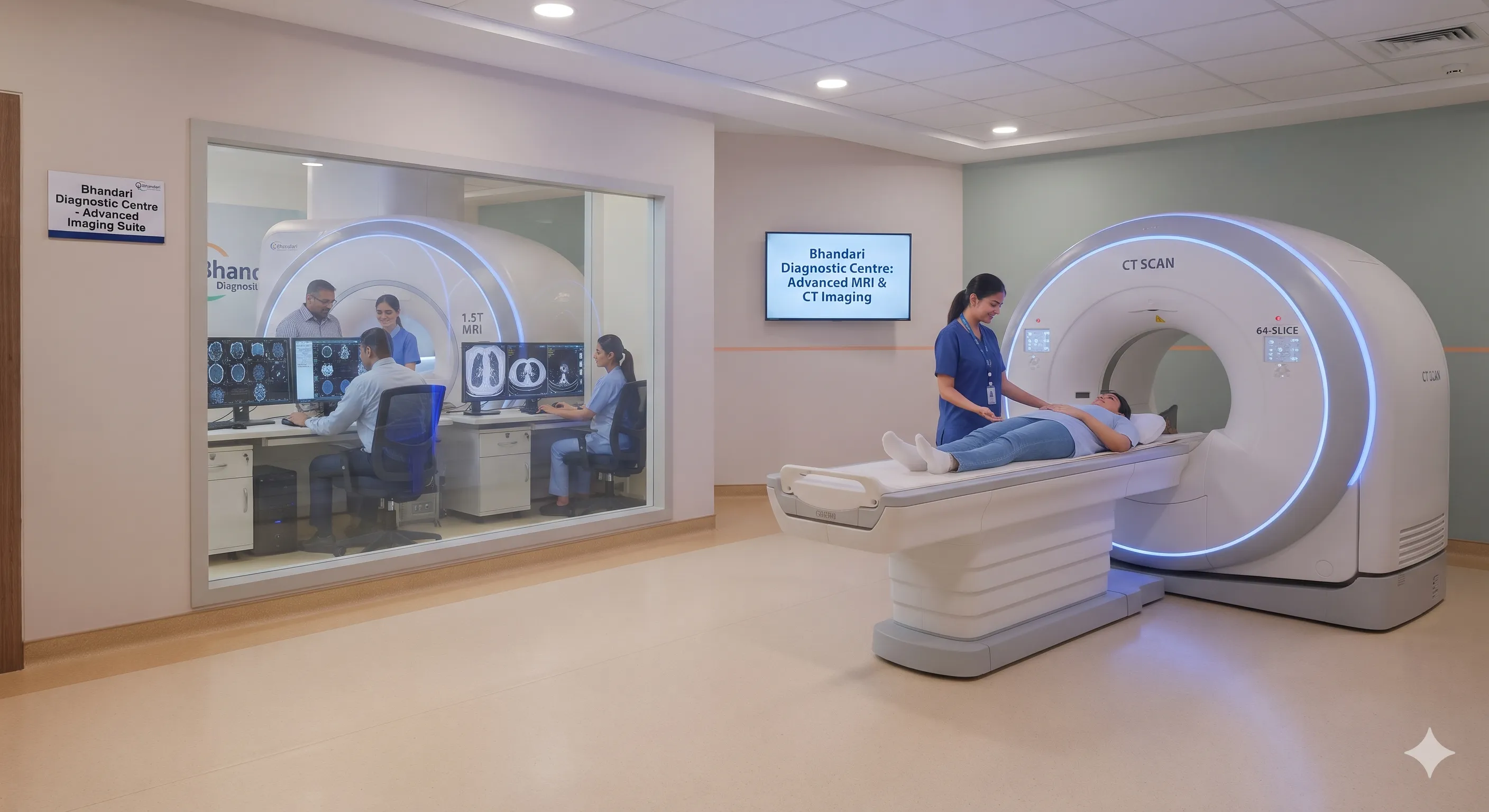
Early diagnosis is important for identifying various diseases and medical conditions, as well as planning appropriate treatment. Numerous conditions take some time to develop, which means there will be no signs in the beginning of the disease. Specialised medical imaging is useful for diagnosing internal organs, tissues, bones and other structures that cause a patient's condition.
An MRI center and a CT scan center offer special diagnostic services aimed at helping specialists diagnose abnormalities, injuries and certain medical conditions. While both centers offer special imaging services, they have their own diagnostic purposes, which is why it is important to know about it for making the right decision following your doctor's recommendation.
Why Are Diagnostic Imaging Centers Important?
With the help of medical imaging, doctors can examine body structures and organs without conducting surgical procedures. Information obtained during investigations can prove to be quite important and useful for the treatment of a certain disease.
Specialized diagnostic imaging center provides all necessary equipment, technical personnel and radiologists who can conduct accurate investigations based on patient's symptoms. Based on symptoms, doctors can recommend an MRI, CT scan and other medical investigations.
How Does an MRI Centre Support Disease Diagnosis?
An MRI centre uses Magnetic Resonance Imaging technology to produce detailed images of internal body structures. It works through powerful magnetic fields and radio waves rather than ionising radiation.
MRI is particularly useful for examining soft tissues, making it valuable in several areas of medical diagnosis.
Brain and Neurological Conditions
MRI can help doctors investigate certain brain abnormalities, neurological conditions, tumours, and changes affecting brain tissues.
Spinal Disorders
It provides detailed images of the spine, discs, nerves, and surrounding soft tissues. Doctors may recommend it when evaluating slipped discs, nerve compression, or persistent back pain.
Joint and Muscle Injuries
MRI helps assess ligaments, tendons, cartilage, and muscles. It is frequently used to investigate sports injuries and joint-related problems.
Internal Organ Evaluation
Depending on the clinical requirement, MRI can help examine organs such as the liver, kidneys, and other abdominal structures.
MRI vs CT Scan: Which One Is Better?
Different diagnostic imaging modalities are not equally effective for all medical cases.
The optimal test should depend on the symptoms, suspected disease, region of interest, and clinical situation.
MRI is recommended when it is necessary to obtain more detailed images of soft tissues of the brain, spinal cord, muscles, and joints. CT scan is usually used to evaluate traumas, fractures, lungs, and some conditions of the abdomen.
An important factor to consider is exposure to radiation. MRI does not expose a person to ionizing radiation, whereas CT scans utilize X-rays. At the same time, MRI might be contraindicated for people with certain implants.
It is up to the treating physician to decide which imaging test is needed according to the medical needs of the patient.
What Makes a Reliable MRI Centre or CT Scan Centre?
Choosing a suitable diagnostic facility is important for a safe and organised imaging experience. Patients should consider the following factors before scheduling an examination.
Advanced Imaging Equipment: Appropriate imaging technology supports the required diagnostic examination and image quality.
Qualified Radiologists: Experienced radiologists interpret scan images and prepare reports that help doctors understand the findings.
Trained Technical Staff: Skilled technicians guide patients through the examination and follow the required imaging protocols.
Patient Safety Measures: MRI facilities should conduct appropriate screening for metallic objects and implants. CT facilities should follow radiation safety principles and use suitable imaging protocols.
Clear Reporting Process: Timely reports and proper communication help patients and referring doctors plan the next steps.
Patient Assistance: Clear preparation instructions, appointment support, and guidance during the examination can make the experience more comfortable.
How Should Patients Prepare for MRI and CT Scans?
The preparation for examination differs depending on the type of test that the patient needs to undergo. The patient must follow all the guidelines provided by the doctor and diagnostic facility.
For MRI, the patient should tell the staff about having pacemakers, implants, surgery previously performed, metallic fragments or any medical devices implanted in the body. The patient must remove the jewelry and all the other metallic materials as directed by the staff.
Prior to the CT scan, the patient must notify the health care team about any allergies, kidney disease, medications taken, and pregnancy or potential pregnancy. Additional information will be given if the contrast material is needed. The patients should also carry the prescription of their doctor and the reports from the past diagnostic procedures if any.
Conclusion
The MRI and CT scan centers have great significance in modern diagnosis. These facilities help the doctors examine the patient's complaints, detect any abnormalities in his/her body and assess the injuries.
With the help of an experienced MRI center, the doctor will be able to get the high-quality imaging of the soft tissues and internal structures of the body, and CT scan center will be useful in quick bone and
Need an MRI or CT Scan in Nashik?
Contact Bhandari Diagnostic Centre for information about MRI, CT scan, appointments, and preparation instructions.
Contact Us